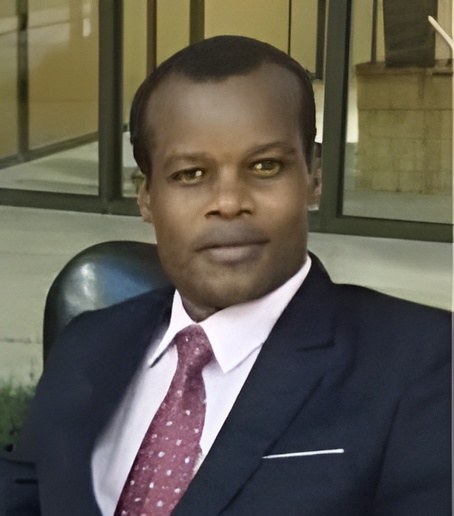
Rev. Dr. George Samuel Okoth, PhD
PhD, World Christianity and Mission Studies
______________________________________________________________________
Trelliss International Training College (TITC) formerly Kima International School of Theology is a premier institution of higher learning that is committed to fostering a culture of academic excellence, innovation, and personal growth. As the principal of this esteemed institution, I am honored to lead a community of dedicated educators, talented students, and supportive staff who share a passion for learning and a commitment to making a positive impact in the world. At TITC, we take pride in offering a diverse range of academic programs that cater to the unique needs and interests of our students. Our state-of-the-art facilities, cutting-edge technology, and research-driven approach to education ensure that our students are equipped with the skills, knowledge, and values necessary to succeed in an increasingly complex and interconnected world. As you navigate TITC, I encourage all to explore our facilities, engage with our faculty and staff, and take advantage of the numerous opportunities available, irrespective of our positions and careers in society. I am confident that TITC will be a vibrant and supportive community that will foster skill development, innovative minds for ones realization of full potential. TITC empowers, educates and equips for future growth. The College is affiliated to Church of God in East Africa (Kenya).
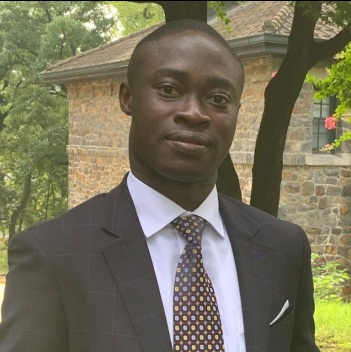
Department of African Indigenous Realities (AIR)
Rev. Dr. Samuel Kofi Boateng Nkrumah-Pobi – Adjunct professor TITC
______________________________________________________________________
(African Religion and Society, Comparative Religions, Interreligious Dialogue, Pentecostalism Religions and Contemporary Global Issues (Politics, Gender, Ecology and Social Justice). Department of Theological Education, SALT University College, Accra Ghana. Department for the Study of Religion, University of Ghana, Legon (Adjunct). School of Humanities and Social Sciences, Dominion University College, Accra (Adjunct).
African Indigenous Realities
The term “Indigenous” in Africa is contested, given the continent’s complex ethnic tapestry, yet it highlights specific groups’ unique marginalization. African Indigenous realities encompass the diverse ontologies, epistemologies, and lived experiences of Indigenous peoples across the continent, shaped by their intricate relationships with land, community, and tradition. Indigenous peoples in Africa, had their own distinct socio-cultural systems, European colonialism (15th–20th centuries) disrupted these systems through land dispossession, forced labor, and the imposition of arbitrary borders, which post-independence African states often perpetuated. This historical disenfranchisement marginalized Indigenous groups, whose lifestyles clashed with modernist state policies. These realities, however, are profoundly influenced by historical marginalization and contemporary challenges, necessitating a critical academic exploration. At Trelliss International Training College (TITC) we are accepting the reality of indigenous gifts as God given and it is therefore our responsibility to promote and transmit that identity to the new generations of the continent.
Today, Indigenous peoples face systemic exclusion, with higher poverty rates (18.2% of global extreme poor) and reduced life expectancy (up to 20 years less than national averages). Land rights remain a critical issue, as extractive industries and conservation initiatives, such as those displacing the San in Botswana, encroach upon ancestral territories. The United Nations Declaration on the Rights of Indigenous Peoples (2007) affirms their rights, but implementation is inconsistent. Cultural erosion, driven by Western education and globalization, further threatens Indigenous knowledge systems, historically dismissed as “superstitious” under colonial regimes. Environmental degradation, including pollution from mining, undermines their sustainable practices, which manage a quarter of the world’s surface area. Despite these challenges, African Indigenous peoples demonstrate resilience through cultural revival and advocacy
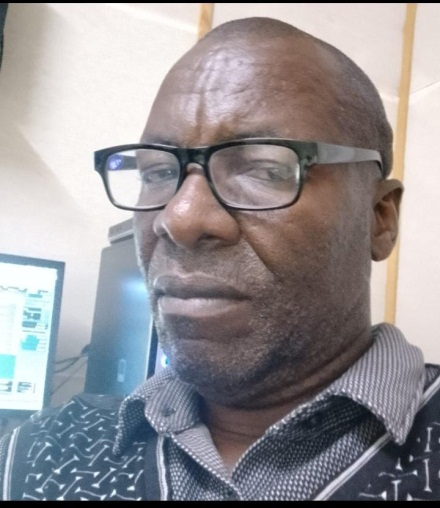
Department of Media and Communication
Rev. Dr. Obed Oketch Olenja
Director media and Communication TITC
______________________________________________________________________
Trelliss International Training College (TITC) has a modern studio for training and production of recorded learning materials for online education. The studio is also used for commercial purposes for individual groups and organizations that want to record music and other content materials for circulation. As a College, in the fast changing technological world we are committed to shaping ethical, informed, and innovative communicators who can lead and influence in a dynamic media landscape.
Client Service Charter reflects our core values: excellence, integrity, service, community, passion and relevance. It sets clear standards for the quality of service we provide to students, partners, the public, and all stakeholders. Whether through teaching, research, or industry collaboration, our mission is to deliver relevant, timely, and impactful communication education and services.
We are proud to offer a space where critical thinking meets practical skill, and where diverse voices are not only heard but amplified. Our media and communication team is passionate about fostering a culture of openness, respect, and continuous improvement, ensuring that our department remains a hub of innovation and relevance in today’s ever-evolving media world.
Thank you for engaging with us. We look forward to building lasting partnerships and empowering the next generation of media and communication professionals.
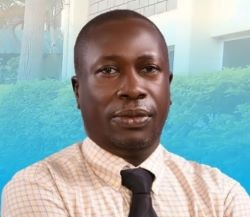
Department of Applied Sciences
Prof. Benard O. Abong’o
Adjunct Professor
______________________________________________________________________
Education
Prof. Benard O. Abong’o, Post-Doctoral Fellow (Microbiology), University of Fort Hare, South Africa, PhD (Microbiology), University of Fort Hare, South Africa, MSc (Applied Microbiology), University of Botswana, Botswana, BSc. (Botany & Chemistry), University of Nairobi, Kenya.
Current position held at Great Lakes University of Kisumu: Deputy Principal; College of Health Sciences and Assoc. Prof of Microbiology – School of Medicine.
Expertise
Quantitative Microbial Health Risk Assessment; Microbiological Water Quality Analysis; General Microbiology Techniques; Molecular Diagnostics; DNA extraction; Polymerase Chain Reactions (PCR); Enzyme Linked Immunosorbent Assays (ELISA); RT-PCR; Public Health Systems Research and Knowledge Translation.
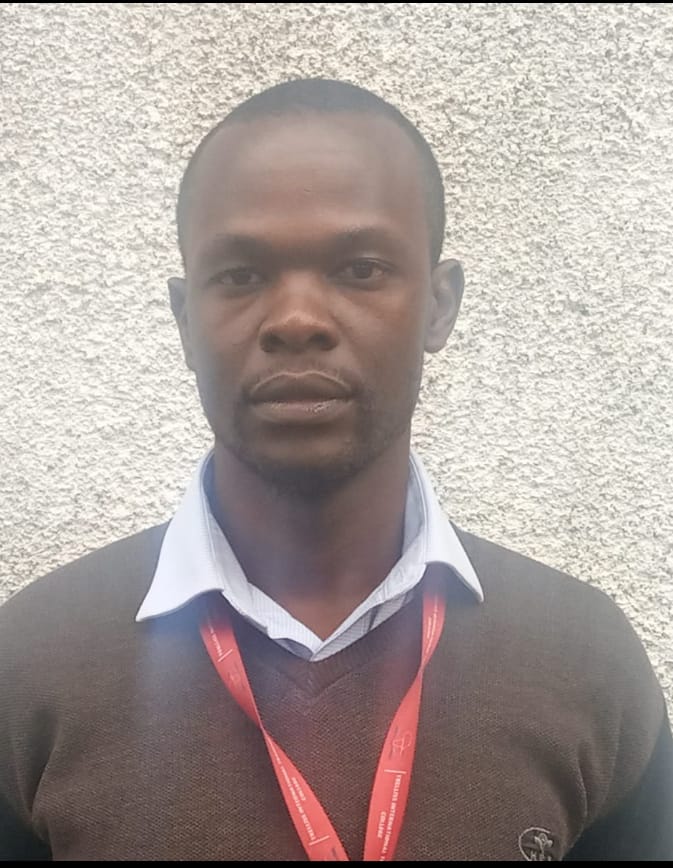
The Hekima Library
Silas Burudi
Library Supervisor
______________________________________________________________________
The Hekima Library takes pride in the growing collection development of a variety of resources. This is courtesy of book donors, availability of funds from Book Harvest every year and Grants from Langham Literature (UK). This has enabled the acquisition of relevant and current resources to suit the needs of the users. We have a collection of over 20,000 resources in print. There are also resources such as audiovisuals, journals, maps and e-resources e.g. e-books and e-journals.
As Africans there’s need to develop our Africana collection i.e. resources authored by Africans or subjects relating to Africa. Therefore we are putting more emphasis on Africana materials when we do new acquisitions.
According to the Standards and Guidelines for University Libraries in Kenya, the Hekima Library is in the process of transiting into the KOHA system to attract wider network of readers/researchers. The Management System will enhance resource sharing and other benefits that come with it.
Installation of the KOHA interface has enabled the library to partner with other libraries for easy accession of more resources via OPAC.
There are 10 sections in the library namely, circulation desk, Reserve, book bank, periodicals, fiction, open shelf, children’s corner, picture file, audio-visual and reference.